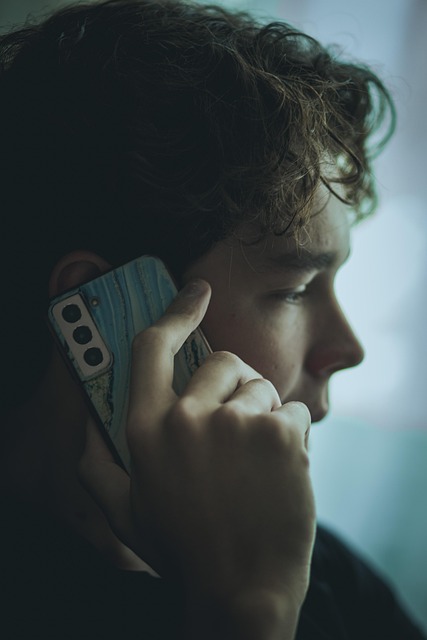
South Carolina residents face a surge in robocalls and spam texts, with 40+ million reported monthly in 2021. Protection comes from state and federal Do Not Call laws, but specialized robocall lawyers navigate specific legislation like the Telephone Consumer Protection Act (TCPA). Reporting options include the South Carolina Public Service Commission (PSC) and local law enforcement. Robocall lawyer South Carolina, spam call attorneys, and Do Not Call law firms help consumers file complaints, seek damages, and block unwanted communications, protecting privacy in a bustling digital landscape.
In the digital age, South Carolina residents face a growing problem with robocalls and spam texts, which have become a constant nuisance. These automated communications, often unsolicited, invade personal time and space, leading to frustration and privacy concerns. With the proliferation of technology, understanding and navigating these laws have become increasingly complex. This article aims to provide a comprehensive guide, offering expert insights for South Carolina residents facing these issues. We will explore the legal framework surrounding robocalls and spam texts, including the Do Not Call laws and the expertise of robocall lawyers in South Carolina who can offer tailored solutions for unwanted communications, ensuring your rights are protected.
Understanding Robocalls and Spam Texts in South Carolina

In South Carolina, robocalls and spam texts have become increasingly prevalent, causing significant annoyance and frustration among residents. These automated communication methods, often used for marketing or political purposes, are regulated by state and federal laws designed to protect consumers from unwanted intrusions. Understanding these regulations is crucial when considering how to report such activities effectively.
Robocalls and spam texts can be particularly insidious due to their automated nature and the sheer volume they generate. According to recent data from the Federal Communications Commission (FCC), millions of robocalls are made daily, many of which target South Carolina residents. While some calls may offer legitimate services or information, others are designed to manipulate recipients into making purchases or providing personal data. Spam texts, though less tracked than calls, follow a similar pattern, often promoting products, services, or even fraudulent schemes.
Reporting these unwanted communications is essential not only for individual peace of mind but also for holding perpetrators accountable. In South Carolina, residents can take action by contacting the state's Do Not Call Registry or consulting with a robocall lawyer or spam call law firm. Legal experts in this field can guide individuals on blocking calls and texts effectively and exploring legal options against persistent violators. For instance, a robocall attorney in South Carolina can help navigate the complex landscape of robocall laws, which include provisions under the Telephone Consumer Protection Act (TCPA), ensuring proper documentation and compliance for any legal action.
Actionable advice includes installing call-blocking apps, registering for national Do Not Call lists, and reporting suspected spam texts to relevant authorities. By combining these strategies with expert legal counsel, South Carolina residents can more effectively combat robocalls and spam texts, enjoying greater privacy and peace of mind in the process.
Reporting Unwanted Calls: A Step-by-Step Guide for SC Residents

In South Carolina, reporting robocalls and spam texts is a crucial step to combat pervasive and often fraudulent activities that can negatively impact residents' daily lives. Unwanted calls and messages are not only intrusive but also pose significant legal and financial risks. For instance, according to the Federal Trade Commission (FTC), more than 40 million robocalls were reported in just one month in 2021, highlighting the magnitude of this issue. South Carolina residents have several avenues for reporting these nuisance calls, with a collective effort from individuals being vital to effective regulation.
The process begins with identifying and documenting the source of the unwanted communication. Residents should take note of the caller's phone number, any distinct patterns in their calling behavior, and the nature of the messages received—whether they are promotional, fraudulent, or simply harassing. Once this information is gathered, several reporting options are available. The South Carolina Public Service Commission (PSC) offers a dedicated platform for consumers to file complaints regarding telemarketing calls and text messages. This process involves filling out an online form with relevant details, which aids the PSC in tracking and addressing recurring issues. Moreover, residents can report these calls directly to their local law enforcement agencies, which may initiate investigations, especially if criminal activity is suspected.
For more specific legal recourse, South Carolina residents can consult a robocall lawyer or spam call attorney from reputable firms across the state. These legal professionals specialize in navigating complex communication laws, such as the Telephone Consumer Protection Act (TCPA). They assist victims in understanding their rights and pursuing legal actions against perpetrators. For instance, a successful case could result in monetary damages for each violation of the TCPA, providing a powerful deterrent to potential violators. Do-not-call law firms in South Carolina also play a critical role in representing consumers and advocating for stricter enforcement of anti-robocall laws. By combining individual reporting with legal expertise, South Carolina residents can contribute to a significant reduction in robocalls and spam texts, fostering a safer and more peaceful communication environment.
Legal Recourse: Your Rights & Options with a Robocall Lawyer SC

In South Carolina, as across the nation, the proliferation of robocalls and spam texts has become a growing concern for residents. While many states have enacted Do Not Call laws to protect citizens from unwanted communication, South Carolina's specific legislation offers both protections and avenues for legal recourse when these laws are violated. Individuals who have experienced excessive or deceptive robocalls or spam texts can seek assistance from a dedicated robocall lawyer in South Carolina, who specializes in navigating the state's robocall laws and ensuring that consumers' rights are upheld.
A robocall lawyer in South Carolina is well-versed in the state's telecommunications regulations, which include provisions against automated telephone dialing systems (ATDS) used for telemarketing purposes without prior express consent. These laws empower residents to take action against companies or individuals who make unsolicited calls or texts using robotic technology. If a consumer feels they have been targeted illegally, they can file a complaint with the South Carolina Public Service Commission (PSC), which has jurisdiction over telecom-related disputes. A robocall attorney in SC can guide clients through this process, ensuring their rights are protected and potential penalties are assessed against violators.
For instance, in 2021, the Federal Communications Commission (FCC) reported that spam calls accounted for nearly 43% of all phone calls in the United States, with South Carolina residents not immune to this trend. This surge has prompted many consumers to seek legal assistance to stop unwanted robocalls and texts. A qualified robocall attorney in SC can help clients block future calls, obtain damages, and send a clear message that such practices will not be tolerated. By leveraging the state's Do Not Call laws and anti-spam legislation, these attorneys offer a powerful tool for consumers to reclaim their privacy and peace of mind in an era dominated by digital communication.